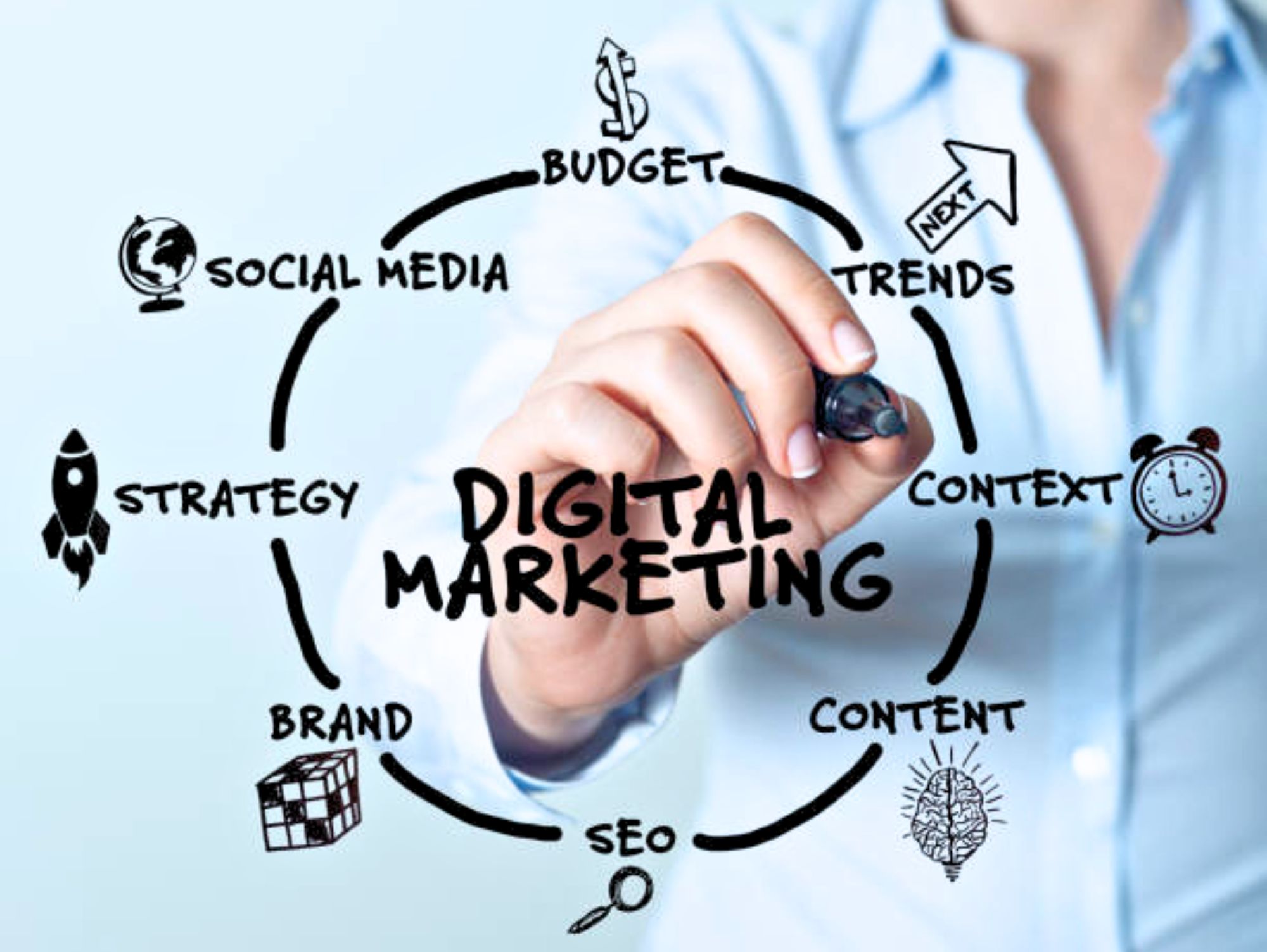
Digital marketing is the process of promoting products, services or brands through digital channels. This can include social media, search engines, email, and mobile apps. In today’s digital age, digital marketing is essential for any business that wants to reach and engage with customers online. And one of the best places to learn digital marketing is in Delhi. A digital marketing course in Delhi can provide you with the knowledge and skills you need to succeed in this competitive field.
Why Delhi? Delhi is one of the major hubs for digital marketing professionals and companies in India. By studying in Delhi, you’ll have access to a large pool of potential employers and networking opportunities. Additionally, Delhi offers cost-effective education compared to other major cities. The cost of living, tuition fees and other expenses are much lower than other major cities in India, making it an affordable option for many students.
What will you learn? A digital marketing course in Delhi will cover a wide range of topics such as:
Search engine optimization (SEO)
Search engine marketing (SEM)
Social media marketing
Email marketing
Content marketing
Affiliate marketing
Google analytics
Mobile marketing
Video marketing
These topics will provide you with a comprehensive understanding of digital marketing and how it can be used to reach and engage with customers online. Additionally, many digital marketing courses in Delhi include practical, hands-on experience which can be beneficial for learning and preparing for the real-world scenario.
Career Opportunities There is a huge demand for digital marketing professionals in India and abroad, and by taking a digital marketing course in Delhi, you’ll be well-positioned to take advantage of the many career opportunities available in the field. Some of the career opportunities in digital marketing include:
Digital marketing manager
SEO specialist
PPC specialist
Social media manager
Email marketing specialist
Content marketing specialist
In conclusion, a digital marketing course in Delhi is a great way to learn the skills you need to succeed in this competitive field. Not only will you gain access to expert instructors and a large talent pool, but you’ll also have the opportunity to network with other students and professionals in the field. So, if you’re interested in learning digital marketing, consider taking a course in Delhi.
Social media marketing is the process of promoting a product or service through social media platforms. It has become an essential part of a business’s marketing strategy as more and more people are using social media to connect with friends and family and to discover new products and services. A social media marketing course can provide individuals with the skills and knowledge they need to succeed in this field. And one of the best places to learn social media marketing is in Delhi.
Why take a Social Media Marketing Course in Delhi? Delhi is a major hub for digital marketing professionals and companies, and by studying social media marketing in Delhi, you’ll have access to a large pool of potential employers and networking opportunities. Additionally, Delhi offers cost-effective education compared to other major cities. The cost of living, tuition fees, and other expenses are much lower than other major cities in India, making it an affordable option for many students.
What will you learn? A social media marketing course in Delhi will cover a wide range of topics such as:
Building a social media strategy
Building a social media strategy is the process of creating a plan for using social media platforms to achieve specific business goals. The process typically includes the following steps:
Set clear goals and objectives: Before creating your social media strategy, it’s important to determine what you want to achieve. This could include increasing brand awareness, generating leads, or driving sales. Setting clear goals and objectives will help guide the rest of the strategy-building process.
Understand your audience: In order to create a successful social media strategy, you need to understand who your target audience is and what their needs and interests are. This will help you to create content that resonates with them and to choose the right social media platforms to reach them.
Choose the right platforms: There are many social media platforms available, and it’s important to choose the ones that are most appropriate for your business and audience. For example, if you’re targeting a younger audience, platforms like Instagram and Snapchat may be more effective than platforms like LinkedIn.
Create a content plan: Once you understand your audience and have chosen the right platforms, you can start to create a content plan. This should include the type of content you will share, when and how often you will share it, and who will be responsible for creating and publishing it.
Develop a social media calendar: A social media calendar will help you to stay organized and ensure that you are consistently publishing content. This can be a simple spreadsheet that outlines what content will be shared and when, or a more advanced tool like Hootsuite or Sprout Social.
Monitor and measure your progress: Regularly monitoring and measuring your social media performance will help you to identify what is working and what isn’t. This will allow you to make adjustments to your strategy as needed to ensure that you are meeting your goals.
Continuously Optimize: Based on the performance of your strategy, optimize it continuously for better results. It’s important to stay updated with the latest trends, algorithm changes, and best practices to make sure that your strategy is effective and efficient.
In summary, building a social media strategy requires setting clear goals, understanding your audience, choosing the right platforms, creating a content plan, developing a social media calendar, monitoring and measuring progress and continuously optimizing the strategy.
Setting up and optimizing social media profiles
The process of setting up and optimizing social media profiles involves creating and configuring accounts on different social media platforms in order to promote your brand or business. The process typically includes the following steps:
Choose the platforms: Identify the social media platforms that your target audience is most active on. Consider the type of content you will be sharing and the features offered by each platform to determine which ones are the best fit for your business.
Create profiles: Register for accounts on the chosen platforms and set up your profiles. Be sure to use your business name and a consistent profile picture and bio across all platforms.
Complete profile information: Make sure to complete all the available fields on your profiles, such as contact information, website link, and any other relevant details. This will help to make your profiles more discoverable and easier to find.
Optimize profile images and bios: Use high-quality images for your profile and cover photos. Make sure that your profile picture is consistent across all platforms, and use your bio to provide a brief overview of your business and what you do.
Use relevant keywords: Use relevant keywords in your profile and bio to make it easier for people to find you. This will help to increase visibility and improve search engine optimization (SEO) for your profiles.
Cross-link your profiles: Include links to your other social media profiles on each profile you set up. This will allow people to easily follow you on multiple platforms.
Test and Monitor: Test your profiles by posting some content and analyzing the results. Monitor the performance of each profile, and make adjustments as necessary to optimize them for better results.
In summary, setting up and optimizing social media profiles involves identifying the right platforms, creating and configuring accounts, completing profile information, optimizing profile images and bios, using relevant keywords, cross-linking profiles and continuously monitoring and testing the profiles for better performance.
Creating and publishing content
Creating and publishing content is the process of developing and distributing content on social media platforms to engage with your target audience and achieve your business goals. The process typically includes the following steps:
Develop a content plan: Before creating content, it’s important to develop a plan that outlines the types of content you will be sharing, when and how often you will share it, and who will be responsible for creating and publishing it.
Research your audience: Understand what type of content your target audience is interested in and what will resonate with them. Use this information to develop a content calendar that aligns with their interests and preferences.
Create high-quality content: Develop high-quality content that is engaging and informative. This could include text posts, images, videos, infographics, etc. Ensure that the content is visually appealing and easy to consume.
Optimize for SEO: Optimize your content for search engines by including relevant keywords, meta tags, and alt text. This will help to increase visibility and make it easier for people to find your content.
Use a Content Management System: Use a content management system (CMS) to schedule and publish your content. This will help to ensure that your content is published at the right time and in the right format.
Analyze performance: Analyze the performance of your content by monitoring engagement, reach, and conversions. Use this information to make adjustments to your content and your content plan.
Repurpose content: Repurpose your content by creating different versions of the same content for different platforms and audiences. This will help to maximize the reach of your content and increase engagement.
In summary, creating and publishing content involves developing a content plan, researching your audience, creating high-quality content, optimizing for SEO, using a Content Management System, analysing performance, and repurposing content. It’s important to keep monitoring and analysing the results to make necessary changes for better performance.
Engaging with the audience
Engaging with the audience is the process of interacting and building relationships with your target audience through social media. The process typically includes the following steps:
Listen to your audience: Monitor social media platforms to understand what your audience is saying about your brand, products, and industry. Use this information to identify opportunities to engage with them.
Respond to comments and messages: Respond to comments and messages in a timely and professional manner. This will help to build trust and credibility with your audience.
Initiate conversations: Start conversations with your audience by asking questions and sharing relevant and interesting content. This will help to increase engagement and build relationships.
Use hashtags: Use relevant hashtags to join conversations and increase the visibility of your content. This will help to increase engagement and reach a larger audience.
Run contests and giveaways: Run contests and giveaways to increase engagement and build buzz around your brand. Be sure to set clear rules and guidelines for participation.
Create a community: Create a community around your brand by encouraging your audience to share their own content and experiences. This will help to increase engagement and build a sense of loyalty among your audience.
Monitor and Analyze: Continuously monitor the engagement levels, track and analyze the performance of your engagement strategy to determine what is working and what is not.
In summary, engaging with the audience is a process of listening to them, responding to comments and messages, initiating conversations, using hashtags, running contests and giveaways, creating a community and continuously monitoring and analyzing the engagement strategy. Building a strong relationship with the audience is crucial for the success of a social media marketing campaign.
Measuring and analysing social media performance
Measuring and analyzing social media performance involves tracking and evaluating the effectiveness of your social media efforts in order to make data-driven decisions and improve your strategy. The process typically includes the following steps:
Set up tracking and measurement tools: Use tools such as Google Analytics, Hootsuite, or Sprout Social to track key metrics such as website traffic, engagement, reach, and conversions.
Define key performance indicators (KPIs): Define the key performance indicators (KPIs) that are most relevant to your business goals. These could include metrics such as engagement rate, click-through rate (CTR), and conversion rate.
Collect data: Collect data on your social media performance by tracking your KPIs over time. This will allow you to see how your performance changes over time and identify patterns.
Analyze the data: Analyze the data to identify trends and patterns. Look for correlations between different metrics and use this information to make data-driven decisions.
Compare performance to industry benchmarks: Compare your social media performance to industry benchmarks. This will help you to understand how your performance compares to others in your industry and identify areas for improvement.
Identify areas for improvement: Use the data and analysis to identify areas where your social media performance can be improved. This could include changes to your content strategy, targeting, or ad campaigns.
Continuously monitor and optimize: Continuously monitor your social media performance and make adjustments as necessary. Use the data and analysis to optimize your strategy and improve your performance over time.
In summary, measuring and analysing social media performance involves setting up tracking and measurement tools, defining key performance indicators, collecting data, analysing the data, comparing performance to industry benchmarks, identifying areas for improvement and continuously monitoring and optimizing the strategy. It’s important to have regular check-ins to make sure that the social media efforts are aligned with the overall business goals and are performing well.
Advertising on social media platforms
Advertising on social media platforms involves using paid promotions to reach a larger audience and achieve specific business goals. The process typically includes the following steps:
Set your advertising goals: Determine what you want to achieve with your social media advertising, such as increasing brand awareness, driving website traffic, or generating leads.
Choose the right platforms: Identify the social media platforms that your target audience is most active on, and choose the platforms that align with your advertising goals.
Create ad campaigns: Create ad campaigns that are tailored to your specific goals and target audience. Be sure to include a clear call-to-action and a visually appealing design.
Target your audience: Use targeting options such as demographics, interests, behaviors, and location to reach the right people with your ads.
Set a budget: Decide on a budget for your ad campaigns and set a daily or lifetime budget for each campaign.
Monitor and Optimize: Monitor the performance of your ad campaigns and use the data to optimize them for better results. Test different ad formats, targeting options, and creative elements to see what works best.
Continuously monitor and analyse: Continuously monitor and analyse the performance of your ad campaigns to identify what is working and what is not. Use this information to make data-driven decisions and improve your strategy over time.
In summary, advertising on social media platforms involves setting clear goals, choosing the right platforms, creating ad campaigns, targeting the right audience, setting a budget, monitoring and optimizing the campaigns, and continuously monitoring and analysing the performance. It’s important to have a clear understanding of the target audience, the goals of the campaign, and the budget to make sure that the advertising efforts are aligned with the overall business goals and are performing well.
Influencer marketing
Influencer marketing is a type of marketing that involves partnering with individuals who have a large following and influence on social media platforms to promote a product or service. The idea behind influencer marketing is that the influencer’s audience trusts their opinions and recommendations, and is more likely to make a purchase based on their endorsement.
The process of influencer marketing typically includes the following steps:
Identify influencers: Identify individuals who have a significant following and influence in your industry. Look for influencers who align with your brand’s values and message.
Build relationships: Build relationships with the influencers by engaging with their content, commenting on their posts, and connecting with them on social media.
Create a campaign: Develop a campaign that aligns with the influencer’s audience and message. This could include sponsored posts, product reviews, or giveaways.
Execute the campaign: Work with the influencer to execute the campaign. This could involve creating content, scheduling posts, and monitoring engagement.
Measure the results: Measure the results of the campaign by tracking metrics such as engagement, reach, and conversions.
Continuously optimize: Use the data from the campaign to optimize future campaigns and identify new opportunities for influencer marketing.
Influencer marketing is a powerful way to reach a large and engaged audience, and can be an effective way to build brand awareness and drive sales. However, it’s important to choose the right influencers and to ensure that the campaign aligns with your brand’s message and values.
Crisis management on social media
Crisis management on social media refers to the process of handling and responding to negative situations or incidents that can affect a brand’s reputation on social media platforms. The process typically includes the following steps:
Prepare a crisis plan: Create a crisis management plan that outlines the steps to be taken in the event of a crisis. This should include clear roles and responsibilities, communication protocols, and contact information for key stakeholders.
Monitor social media: Continuously monitor social media platforms for potential crisis situations. This could include negative comments, complaints, or mentions of your brand in relation to a crisis.
Respond quickly: Respond to a crisis situation as quickly as possible. This will help to mitigate the damage and show that your brand is taking the situation seriously.
Apologize and take responsibility: Apologize for any negative impact and take responsibility for the situation. This will help to show that your brand is trustworthy and transparent.
Provide accurate and timely information: Provide accurate and timely information to the public regarding the crisis. This will help to reduce confusion and misinformation.
Engage with your community: Engage with your community by responding to comments and messages. This will help to build trust and show that your brand cares about its audience.
Review and learn: Review the crisis management process and learn from the experience. Use this information to improve your crisis management plan for future situations.
In summary, crisis management on social media involves preparing a crisis plan, monitoring social media, responding quickly, apologizing and taking responsibility, providing accurate and timely information, engaging with the community and reviewing and learning from the experience. It’s important to have a clear plan in place to handle crisis situations in order to minimize the impact and maintain the trust of the audience.
These topics will provide individuals with a comprehensive understanding of social media marketing and how it can be used to reach and engage with customers online. Additionally, many social media marketing courses in Delhi include practical, hands-on experience, which can be beneficial for learning and preparing for the real-world scenario.
Career Opportunities There is a huge demand for social media marketing professionals in India and abroad, and by taking a social media marketing course in Delhi, you’ll be well-positioned to take advantage of the many career opportunities available in the field. Some of the career opportunities in social media marketing include:
Social media manager
Digital marketing manager
Community manager
Content creator
Social media analyst
In conclusion, a social media marketing course in Delhi is a great way to learn the skills you need to succeed in this field. Not only will you gain access to expert instructors and a large talent pool, but you’ll also have the opportunity to network with other students and professionals in the field. So, if you’re interested in learning social media marketing, consider taking a course in Delhi.
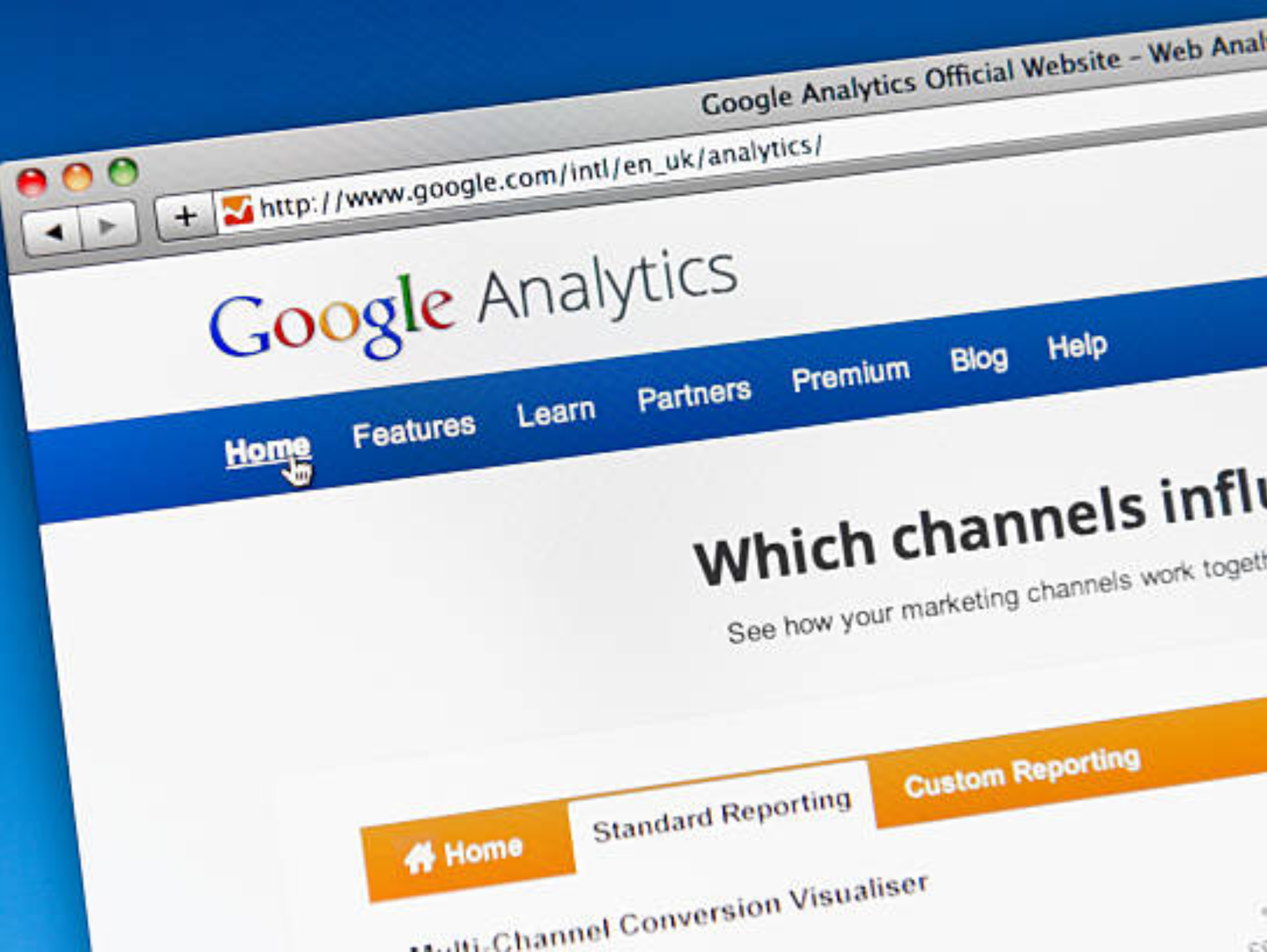
Google Analytics is a free web analytics service offered by Google that tracks and reports website traffic. It is used to understand how users interact with a website, such as how many people visit the site, where they come from, and what pages they view.
Google Analytics allows businesses to track a wide range of metrics, such as:
Number of visitors: How many people visit the site, and how often they return.
Traffic sources: Where visitors come from, including search engines, social media, and referral sites.
Audience demographics: Information about the age, gender, location, and interests of visitors.
Behaviour: What pages visitors view, how long they stay on the site, and what actions they take, such as filling out a form or making a purchase.
Conversions: How many visitors complete a specific action, such as signing up for a newsletter or making a purchase?
Google Analytics can also be integrated with other tools such as AdWords, Search Console, and Tag Manager.
In addition, it provides businesses with insights that can help them to optimize their website and online marketing campaigns, such as identifying which pages have high bounce rates, where visitors are dropping off during the checkout process, or which campaigns are driving the most conversions.
Web analytics in general refers to the measurement, collection, analysis and reporting of data from a website in order to understand and optimize its usage and performances. Google Analytics is just one of the many web analytics tools available, and other examples include Adobe Analytics, Piwik, and Click.
Email marketing is the practice of sending promotional messages, typically to a group of people, via email. It is used by businesses of all sizes as an effective way to reach and engage with their customers, and to promote their products or services.
The main types of email marketing include:
Newsletters: Regularly sent emails that contain company news, special offers, and other promotional information.
Transactional emails: Automated emails sent to customers after they perform a specific action, such as making a purchase or signing up for a service.
Targeted campaigns: Customized emails sent to specific segments of a mailing list, based on characteristics such as purchase history or browsing behaviour.
Drip campaigns: A series of automated emails sent to a lead or a customer over a period of time. It can be used for on boarding, re-engagement, cross-selling, and upselling.
Email marketing allows businesses to track the success of their campaigns through metrics such as open rates, click-through rates, and conversion rates. It also allows businesses to personalize their messages and target specific segments of their audience.
Email marketing automation
Email marketing automation refers to the process of using software to automate the sending of emails to a group of people. It allows businesses to create, schedule and send automated email campaigns based on specific triggers or events.
With email marketing automation, businesses can set up a series of automated emails that are triggered by certain actions or events, such as:
Subscribing to a mailing list
Abandoning a shopping cart
Making a purchase
Reaching a certain milestone (e.g. birthday or anniversary)
Not opening or clicking on previous emails
It enables businesses to create more personalized, timely, and relevant communications with their customers, without the need for manual intervention. This can help to improve customer engagement and increase conversion rates.
Some examples of email marketing automation include:
Welcome email series for new subscribers
Abandoned cart email series for potential customers
Re-engagement campaign for inactive subscribers
Post-purchase follow-up emails for customers
Birthday or anniversary emails for loyal customers
Email marketing automation can help businesses to save time, increase efficiency, and improve their ROI by automating repetitive tasks and providing more personalized and relevant communications.
Drip sequence in email marketing
A drip sequence, also known as a drip campaign, is a series of automated emails that are sent to a specific group of people over a period of time. Drip sequences are typically used to nurture leads, re-engage customers, or on board new users.
The main purpose of a drip sequence is to provide relevant and valuable information to the recipients over time, with the ultimate goal of converting them into paying customers. Drip sequences typically include a mix of educational content, case studies, testimonials, and promotional offers.
Drip sequences can be triggered by various events such as:
Subscribing to a mailing list
Downloading an e-book
Signing up for a free trial
Filling out a form
Making a purchase
Each email in the drip sequence is timed and tailored to the specific stage of the recipient’s journey. For example, the first email may introduce the company and its products, while later emails may provide more detailed information, such as case studies or testimonials.
Drip sequences are designed to be highly targeted and personalized, and they can be adjusted and optimized over time based on the recipient’s engagement and conversion rates.
Drip sequences can be a powerful tool for email marketing as they allow businesses to nurture leads, re-engage customers, and on board new users with relevant and valuable information over time, which in turn increases the chances of conversion.
Role of landing page in Email Marketing
A landing page is a standalone web page that is designed to convert visitors into leads or customers. It is typically used in email marketing as a way to direct recipients to a specific offer or product after clicking on a link in an email.
The main purpose of a landing page is to provide a clear and concise call to action (CTA) and to convert visitors into leads by collecting their contact information. A landing page typically includes a form to collect information such as name, email address, and phone number.
Landing pages are designed to be highly targeted and specific to the offer or product being promoted in the email. The design and copy of a landing page should be consistent with the email and the overall branding of the company.
Landing pages are an essential part of email marketing as they allow businesses to direct recipients to a specific offer or product, and to collect contact information from interested parties. By having a dedicated landing page for each campaign or offer, businesses can track the success of the campaign and optimize it for better conversion rates.
In addition, landing pages can also be used to A/B test different variations of the design, copy and call to actions, to find out what works best for the audience.
Broadcasting Email
Broadcasting email is the process of sending a one-time email to a large group of people, typically an entire mailing list. It is used to share important information, such as a new product launch, a sale, or a company update, with all subscribers at once.
Broadcasting emails can be sent manually or automated and they can be used for different purposes like:
Sharing a company update or news
Promoting a sale or special offer
Announcing a new product or service
Sending out a newsletter or a report
The main difference between a broadcasting email and an automated drip sequence is that the latter is a series of pre-scheduled emails that are sent out over a period of time, while a broadcasting email is a one-time message sent to the entire mailing list at once.
Broadcasting emails can be an effective way to share important information with a large group of people quickly and easily. However, it’s important to keep in mind that broadcasting emails can be less targeted and personalized than automated drip sequences, and they may have lower open and click-through rates as a result.
To increase the chances of success, it’s important to use a clear subject line, a catchy headline, a personalized message and to segment your list if possible. Also, it’s important to be mindful of the frequency of your broadcasting emails, as too many emails can lead to unsubscribes or marked as spam.
Graphic design is the process of visual communication and problem-solving through the use of typography, photography, and illustration. Graphic designers use a combination of text, images, and color to create visual representations of ideas and messages. A graphic design course can provide individuals with the skills and knowledge they need to excel in this field.
Why take a Graphic Design Course? Graphic design is a highly in-demand field, and a graphic design course can provide individuals with the skills and knowledge they need to start a career in this field. Additionally, a graphic design course can help individuals improve their creativity and problem-solving skills, which can be beneficial in any field.
What will you learn? A graphic design course will cover a wide range of topics, such as:
Typography
Color theory
Composition
Illustration
Photography
Branding
Advertising
Web design
User experience (UX) and user interface (UI) design
These topics will provide individuals with a comprehensive understanding of graphic design and how it can be used to create effective visual communications. Additionally, many graphic design courses include practical, hands-on experience, which can be beneficial for learning and preparing for the real-world scenario.
Career Opportunities There are a variety of career opportunities available in the field of graphic design, including:
Graphic designer
Art director
User experience designer
Web designer
Brand designer
Advertising designer
Illustrator
In conclusion, a graphic design course can provide individuals with the skills and knowledge they need to start a career in this field. Additionally, a graphic design course can help individuals improve their creativity and problem-solving skills, which can be beneficial in any field. If you’re interested in a career in graphic design, consider taking a course to gain the skills and knowledge you need to excel in this field.
 What will you learn? A digital marketing course in Delhi will cover a wide range of topics such as: