

+91 9599721279, 9711887830    contact@vtalkcorporate.com    Dwarka, Delhi, India

  +91 9599721279, 9711887830    contact@vtalkcorporate.com    Dwarka, Delhi, India

Archives April 2023

Search Engine Optimization

Search Engine Optimization

Search Engine Optimization

What is search engine optimization?

Search engine optimization, or SEO for short, is the process of improving a website’s visibility and ranking on search engines such as Google, Bing, and Yahoo. SEO encompasses many different techniques and strategies, and can be broken down into several different categories, including on-page SEO, off-page SEO, technical SEO, and white hat and black hat SEO. In this blog, we will explore each of these categories in more detail.

On-Page SEO:

On-page SEO refers to the optimization of individual web pages in order to rank higher and earn more relevant traffic in search engines. This includes optimizing the title tags, Meta descriptions, header tags, and content of a webpage. By following best practices for on-page SEO, you can improve your website’s visibility and drive more traffic to your site.

Title Tags:

Title tags are HTML tags that specify the title of a webpage. They are displayed in the search results and give the user an idea of what the webpage is about. Title tags should be unique to each page and should accurately reflect the content of the page. They should also include the target keywords for the page, but it’s important not to stuff too many keywords in the title.

Meta Descriptions:

Meta descriptions are HTML tags that provide a brief summary of a webpage’s content. They are also displayed in the search results and can help entice users to click through to your site. Meta descriptions should be unique to each page and should accurately reflect the content of the page. They should also include the target keywords for the page, but it’s important not to stuff too many keywords in the description.

Header Tags:

Header tags are used to structure the content of a webpage. They include H1, H2, H3, and so on. The H1 tag is the most important and is used to specify the main heading of a webpage. Subheadings should be used with H2, H3, and so on. This makes it easy for the search engine to understand the content of a webpage and also makes it easy for users to scan the content.

Content Optimization:

The content of a webpage is the most important factor in on-page SEO. Search engines use the content of a webpage to understand its relevance to a particular keyword or phrase. Content should be unique, relevant, and of high quality. It should also include the target keywords in a natural and semantically relevant way. Additionally, make sure that your web pages are well-structured and easy to read.

Images Optimization:

Images can also play a role in on-page SEO. Make sure that all images on your site are properly optimized. This includes adding alt tags to images, which provide a text description of the image for search engines and users who are visually impaired. Additionally, use descriptive, keyword-rich file names for images and avoid using generic file names like “image1.jpg.”

URL Structure:

The URL structure of a webpage is also important in on-page SEO. URLs should be short and descriptive, and should include the target keywords for the page. Additionally, make sure that the URLs are easy to read and understand.

In conclusion, on-page SEO is the process of optimizing individual web pages in order to rank higher and earn more relevant traffic in search engines. By following best practices for on-page SEO, including optimizing title tags, meta descriptions, header tags, content, images and URL structure, you can improve your website’s visibility and drive more traffic to your site. It’s important to keep in mind that on-page optimization is an ongoing process and requires regular monitoring and adjustments.

Off-Page SEO:

Off-page optimization, also known as off-page SEO, refers to the techniques and strategies used to improve a website’s ranking on search engines by building backlinks. Backlinks are links from other websites that point to your site. The more backlinks you have, the more authoritative your site appears to search engines, which can help improve your rankings. In this blog, we will explore some of the best practices for off-page optimization.

Link Building:

Building backlinks is one of the most important aspects of off-page optimization. There are several ways to build backlinks, including:

Reach out to other websites in your niche and ask if they would be willing to link to your site.

Create valuable content that other websites will naturally want to link to.

Submit your website to directories and online listings.

Participate in online forums and communities in your niche and include a link to your website in your signature.

It’s important to note that not all backlinks are created equal. The quality of the linking website and the relevance of the link to your site both play a role in determining the value of a backlink. A link from a high-authority site in your niche is going to be more valuable than a link from a low-authority site.

Social Media:

Social media can also play a role in off-page optimization. By creating and sharing valuable content on social media, you can drive traffic to your site and build backlinks. Additionally, social media can be a great way to engage with your audience and build relationships with other websites in your niche.

Influencer Outreach:

Another way to build backlinks is through influencer outreach. This involves reaching out to influencers in your niche and asking them to share your content or link to your site. Influencers have a large following and can provide a significant boost to your website’s visibility and traffic.

Guest Blogging:

Guest blogging is another effective way to build backlinks. By writing guest posts for other websites in your niche, you can include a link back to your site, which can help improve your search engine rankings. Additionally, guest blogging can be a great way to build relationships with other websites in your niche and drive traffic to your site.

Reviews and Testimonials:

Encourage satisfied customers to leave reviews and testimonials on your website and on external review platforms such as Yelp, Google My Business, and TripAdvisor. These reviews can help to build trust and credibility with potential customers, and they also provide backlinks to your website.

In conclusion, off-page optimization is the process of building backlinks to improve a website’s ranking on search engines. By following best practices for link building, social media, influencer outreach, guest blogging and reviews, you can improve your website’s visibility and drive more traffic to your site. It’s important to keep in mind that off-page optimization is an ongoing process and requires regular monitoring and adjustments.

Technical SEO:

Technical SEO refers to the optimization of a website’s underlying code and architecture in order to improve its visibility on search engines. This includes ensuring that the site is properly structured, that it loads quickly, and that it is mobile-friendly. By following best practices for technical SEO, you can improve your website’s visibility and drive more traffic to your site.

Website Structure:

The structure of a website is critical to its visibility on search engines. This includes ensuring that the site is properly organized, that it has a logical hierarchy, and that it is easy to navigate. Additionally, it’s important to ensure that the site is properly indexed, which means that search engines can easily find and crawl all of the pages on the site.

Website Speed:

Website speed is another important aspect of technical SEO. Search engines favor sites that load quickly, as slow-loading sites can negatively impact the user experience. To improve website speed, you can optimize images, minify code, and use a content delivery network (CDN). Additionally, you can use tools like Google’s PageSpeed Insights to check the speed of your site and identify any issues that may be causing it to load slowly.

Mobile-Friendliness:

With more and more people using their smartphones to browse the web, search engines are placing more emphasis on mobile-friendly websites. It’s important to ensure that your website is mobile-friendly and loads quickly. This can be done by using a responsive design, which will adjust the layout of your site to fit the size of the screen it’s being viewed on.

XML Sitemap:

An XML sitemap is a file that lists all the URLs of your website, which allows search engines to easily discover and crawl the pages on your site. Submitting an XML sitemap can help search engines find and index all of the pages on your site.

Robots.txt:

The robots.txt file is a file that tells search engines which pages or sections of your site should not be crawled. This file can be used to prevent search engines from indexing duplicate content or pages that are under development.

Redirection and 404 Error handling:

Properly handling redirects and 404 errors is important for maintaining a good user experience and for ensuring that search engines can properly crawl and index your site. Redirect

White Hat & Black Hat SEO:

In the world of SEO, there are two main approaches: white hat and black hat. White hat SEO refers to techniques and strategies that are in line with search engine guidelines and that aim to improve the user experience. Black hat SEO, on the other hand, refers to techniques and strategies that are intended to manipulate search engine rankings and that often violate search engine guidelines.

White hat SEO techniques include keyword research, on-page optimization, and building backlinks. These techniques are intended to improve the user experience and are in line with search engine guidelines. Black hat SEO techniques, on the other hand, include keyword stuffing, hidden text, and link farms. These techniques are intended to manipulate search engine rankings and often violate search engine guidelines.

Black hat SEO

Black hat SEO refers to techniques and strategies that are intended to manipulate search engine rankings and that often violate search engine guidelines. These techniques can provide short-term gains in search engine rankings, but they can also lead to penalties or even a complete ban from search engines. In this blog, we will explore some of the most common black hat SEO techniques and why they should be avoided.

Keyword Stuffing:

Keyword stuffing is the practice of including an excessive number of keywords in a webpage’s content or Meta tags in an attempt to manipulate search engine rankings. For example, a page that is optimized for the keyword “cheap shoes” might include the phrase “cheap shoes” several times in the content, even if it doesn’t make sense in the context of the content.

Search engines have become very sophisticated at detecting keyword stuffing, and using this technique can lead to a penalty or even a complete ban from the search engine. Instead, focus on using keywords in a natural and semantically relevant way.

Hidden Text:

Hidden text is text that is hidden from the user but that can be read by search engines. This technique is often used to include additional keywords on a webpage without the user being aware of it. For example, a webpage might include text that is the same color as the background, making it invisible to the user.

Search engines can detect hidden text and using this technique can lead to a penalty or even a complete ban from the search engine. Instead, focus on providing high-quality content that is relevant to the user.

Link Farms:

A link farm is a group of websites that are created solely for the purpose of linking to other websites. The goal of a link farm is to artificially inflate a website’s link popularity, which can lead to higher search engine rankings.

Search engines can detect link farms and using this technique can lead to a penalty or even a complete ban from the search engine. Instead, focus on building high-quality, relevant backlinks from reputable websites.

Cloaking:

Cloaking is a black hat SEO technique that involves showing different content to search engine spiders than is shown to human users. This is done in an attempt to manipulate search engine rankings by tricking the search engine into thinking that a webpage is more relevant than it actually is.

Search engines can detect cloaking and using this technique can lead to a penalty or even a complete ban from the search engine. Instead, focus on providing high-quality content that is relevant to both the user and the search engine.

In conclusion, black hat SEO techniques can provide short-term gains in search engine rankings, but they can also lead to penalties or even a complete ban from search engines. Instead of using these techniques, focus on providing high-quality content and building high-quality, relevant backlinks. By following search engine guidelines and focusing on the user experience, you can achieve long-term success in search engine rankings.

How Mobile page optimization helps in SEO ?

Mobile page optimization is the process of optimizing a website for mobile devices in order to improve its visibility on search engines. There are several ways in which mobile page optimization can help with SEO:

  1. Mobile-Friendliness: With more and more people using their smartphones to browse the web, search engines are placing more emphasis on mobile-friendly websites. By making sure that your website is mobile-friendly, you can improve its visibility on search engines and drive more traffic to your site.
  2. Speed: Website speed is another important aspect of mobile page optimization. Search engines favor sites that load quickly, as slow-loading sites can negatively impact the user experience. By optimizing your mobile pages for speed, you can improve the user experience and boost your search engine rankings.
  3. Responsive Design: Using a responsive design can help improve the user experience on mobile devices. Responsive design will adjust the layout of your site to fit the size of the screen it’s being viewed on, making it easy to navigate and read on mobile devices.
  4. Content Optimization: Content optimization is essential for both mobile and desktop. By creating content that is optimized for mobile devices, you can improve the user experience and increase your chances of ranking well in mobile search results.
  5. Local SEO: Mobile devices are often used to search for local businesses. Optimizing your mobile pages for local SEO can help your business appear in local search results and drive more foot traffic to your store.
  6. App Indexing: If you have a mobile app, you can use app indexing to help search engines find and index your app content. This can help your app show up in search results and drive more downloads.

In conclusion, mobile page optimization can help with SEO by improving the user experience, boosting website speed, and making your site more visible in mobile search results. By optimizing your mobile pages, you can improve the user experience, increase your visibility on search engines, and drive more traffic to your site.

Competitors Research can help doing SEO. How?

Competitor research is the process of analysing the strategies and tactics of your competitors in order to identify opportunities and improve your own search engine optimization (SEO) efforts. By researching your competitors, you can gain valuable insights into what is working for them and use that information to improve your own SEO strategy.

  1. Keyword Research: By researching your competitors’ keywords, you can identify the keywords and phrases that they are targeting and use that information to improve your own keyword research. You can also identify gaps in your competitors’ keyword strategies and target those keywords to gain an edge.
  2. Content Analysis: Analysing your competitors’ content can give you an idea of the types of content that are resonating with their audience and the keywords they are targeting. This can help you create a content strategy that is more effective at reaching your target audience and driving more traffic to your site.
  3. Backlink Analysis: By analysing your competitors’ backlinks, you can identify the websites and pages that are linking to your competitors’ sites. This can help you identify potential link building opportunities and improve your own backlink strategy.
  4. Technical SEO: Analysing your competitors’ technical SEO can help you identify areas where your own website may be lacking. This can include things like website speed, mobile-friendliness, and website structure.
  5. Social Media: Analysing your competitors’ social media presence can give you an idea of the types of content and campaigns that are resonating with their audience. This can help you create a more effective social media strategy and reach a larger audience.
  6. PPC Analysis: Researching your competitor’s PPC (Pay per click) campaigns can give you an idea of the keywords they are bidding on and how they structure their campaigns. This information can help you to improve your own PPC campaigns and gain a competitive edge.

In conclusion, competitor research is an essential part of SEO. By analysing your competitors’ strategies and tactics, you can gain valuable insights into what is working for them and use that information to improve your own SEO efforts. This can help you to identify opportunities, improve your SEO strategy, and stay ahead of the competition.
Digital Marketing Course in Delhi

digital marketing

Digital Marketing Course in Delhi

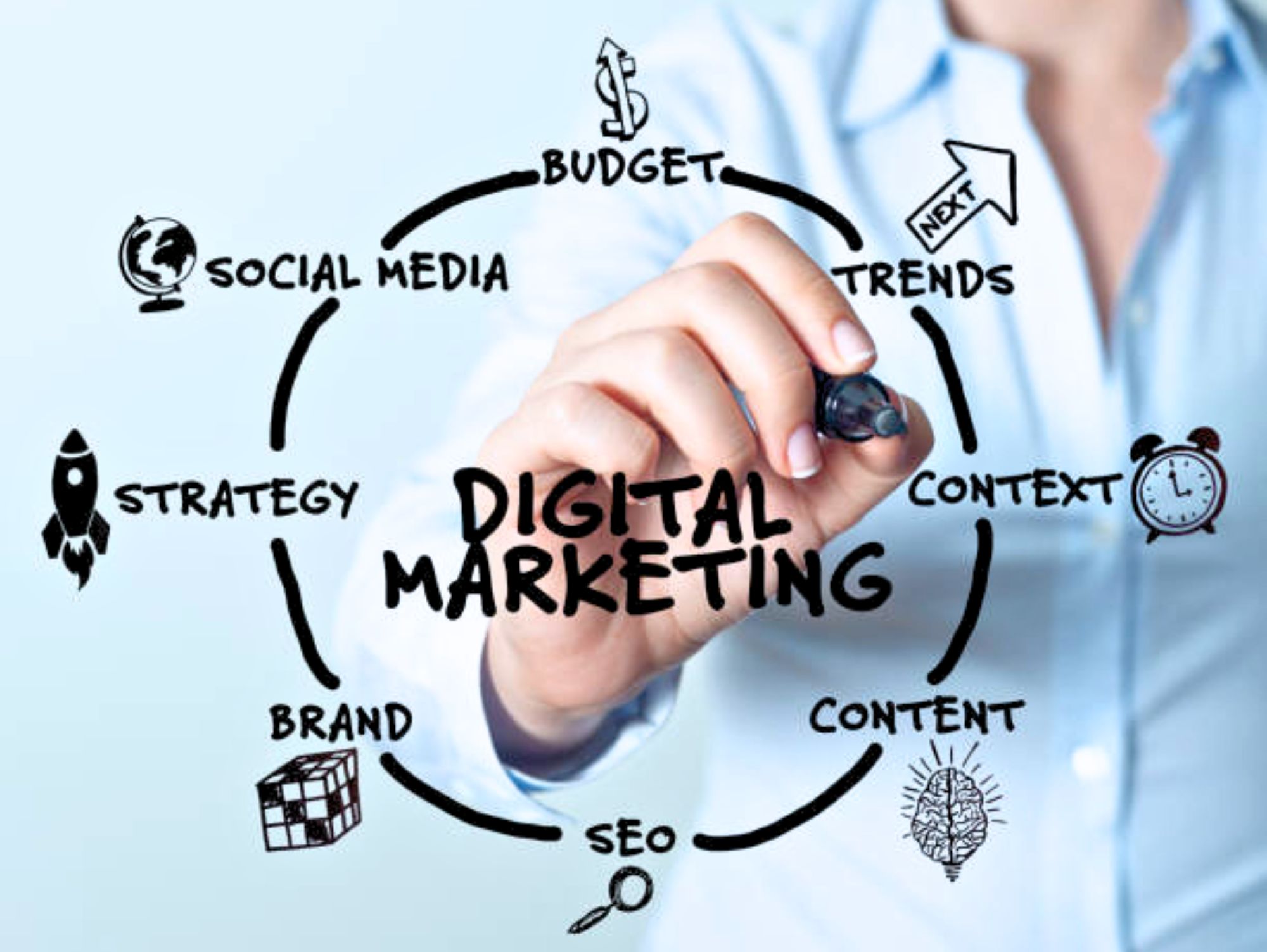
Digital marketing is the process of promoting products, services or brands through digital channels. This can include social media, search engines, email, and mobile apps. In today’s digital age, digital marketing is essential for any business that wants to reach and engage with customers online. And one of the best places to learn digital marketing is in Delhi. A digital marketing course in Delhi can provide you with the knowledge and skills you need to succeed in this competitive field.

Why Delhi? Delhi is one of the major hubs for digital marketing professionals and companies in India. By studying in Delhi, you’ll have access to a large pool of potential employers and networking opportunities. Additionally, Delhi offers cost-effective education compared to other major cities. The cost of living, tuition fees and other expenses are much lower than other major cities in India, making it an affordable option for many students.

digital marketingWhat will you learn? A digital marketing course in Delhi will cover a wide range of topics such as:

  • Search engine optimization (SEO)
  • Search engine marketing (SEM)
  • Social media marketing
  • Email marketing
  • Content marketing
  • Affiliate marketing
  • Google analytics
  • Mobile marketing
  • Video marketing


These topics will provide you with a comprehensive understanding of digital marketing and how it can be used to reach and engage with customers online. Additionally, many digital marketing courses in Delhi include practical, hands-on experience which can be beneficial for learning and preparing for the real-world scenario.

Career Opportunities There is a huge demand for digital marketing professionals in India and abroad, and by taking a digital marketing course in Delhi, you’ll be well-positioned to take advantage of the many career opportunities available in the field. Some of the career opportunities in digital marketing include:

  • Digital marketing manager
  • SEO specialist
  • PPC specialist
  • Social media manager
  • Email marketing specialist
  • Content marketing specialist


In conclusion, a digital marketing course in Delhi is a great way to learn the skills you need to succeed in this competitive field. Not only will you gain access to expert instructors and a large talent pool, but you’ll also have the opportunity to network with other students and professionals in the field. So, if you’re interested in learning digital marketing, consider taking a course in Delhi.

Social Media Marketing Course in Delhi

social media marketing course in delhi

Social Media Marketing Course In Delhi

Social media marketing is the process of promoting a product or service through social media platforms. It has become an essential part of a business’s marketing strategy as more and more people are using social media to connect with friends and family and to discover new products and services. A social media marketing course can provide individuals with the skills and knowledge they need to succeed in this field. And one of the best places to learn social media marketing is in Delhi.

Why take a Social Media Marketing Course in Delhi? Delhi is a major hub for digital marketing professionals and companies, and by studying social media marketing in Delhi, you’ll have access to a large pool of potential employers and networking opportunities. Additionally, Delhi offers cost-effective education compared to other major cities. The cost of living, tuition fees, and other expenses are much lower than other major cities in India, making it an affordable option for many students.

What will you learn? A social media marketing course in Delhi will cover a wide range of topics such as:

  1. Building a social media strategy

Building a social media strategy is the process of creating a plan for using social media platforms to achieve specific business goals. The process typically includes the following steps:

  • Set clear goals and objectives: Before creating your social media strategy, it’s important to determine what you want to achieve. This could include increasing brand awareness, generating leads, or driving sales. Setting clear goals and objectives will help guide the rest of the strategy-building process.
  • Understand your audience: In order to create a successful social media strategy, you need to understand who your target audience is and what their needs and interests are. This will help you to create content that resonates with them and to choose the right social media platforms to reach them.
  • Choose the right platforms: There are many social media platforms available, and it’s important to choose the ones that are most appropriate for your business and audience. For example, if you’re targeting a younger audience, platforms like Instagram and Snapchat may be more effective than platforms like LinkedIn.
  • Create a content plan: Once you understand your audience and have chosen the right platforms, you can start to create a content plan. This should include the type of content you will share, when and how often you will share it, and who will be responsible for creating and publishing it.
  • Develop a social media calendar: A social media calendar will help you to stay organized and ensure that you are consistently publishing content. This can be a simple spreadsheet that outlines what content will be shared and when, or a more advanced tool like Hootsuite or Sprout Social.
  • Monitor and measure your progress: Regularly monitoring and measuring your social media performance will help you to identify what is working and what isn’t. This will allow you to make adjustments to your strategy as needed to ensure that you are meeting your goals.
  • Continuously Optimize: Based on the performance of your strategy, optimize it continuously for better results. It’s important to stay updated with the latest trends, algorithm changes, and best practices to make sure that your strategy is effective and efficient.

In summary, building a social media strategy requires setting clear goals, understanding your audience, choosing the right platforms, creating a content plan, developing a social media calendar, monitoring and measuring progress and continuously optimizing the strategy.

  • Setting up and optimizing social media profiles

The process of setting up and optimizing social media profiles involves creating and configuring accounts on different social media platforms in order to promote your brand or business. The process typically includes the following steps:

  • Choose the platforms: Identify the social media platforms that your target audience is most active on. Consider the type of content you will be sharing and the features offered by each platform to determine which ones are the best fit for your business.
  • Create profiles: Register for accounts on the chosen platforms and set up your profiles. Be sure to use your business name and a consistent profile picture and bio across all platforms.
  • Complete profile information: Make sure to complete all the available fields on your profiles, such as contact information, website link, and any other relevant details. This will help to make your profiles more discoverable and easier to find.
  • Optimize profile images and bios: Use high-quality images for your profile and cover photos. Make sure that your profile picture is consistent across all platforms, and use your bio to provide a brief overview of your business and what you do.
  • Use relevant keywords: Use relevant keywords in your profile and bio to make it easier for people to find you. This will help to increase visibility and improve search engine optimization (SEO) for your profiles.
  • Cross-link your profiles: Include links to your other social media profiles on each profile you set up. This will allow people to easily follow you on multiple platforms.
  • Test and Monitor: Test your profiles by posting some content and analyzing the results. Monitor the performance of each profile, and make adjustments as necessary to optimize them for better results.

In summary, setting up and optimizing social media profiles involves identifying the right platforms, creating and configuring accounts, completing profile information, optimizing profile images and bios, using relevant keywords, cross-linking profiles and continuously monitoring and testing the profiles for better performance.

  • Creating and publishing content

Creating and publishing content is the process of developing and distributing content on social media platforms to engage with your target audience and achieve your business goals. The process typically includes the following steps:

  • Develop a content plan: Before creating content, it’s important to develop a plan that outlines the types of content you will be sharing, when and how often you will share it, and who will be responsible for creating and publishing it.
  • Research your audience: Understand what type of content your target audience is interested in and what will resonate with them. Use this information to develop a content calendar that aligns with their interests and preferences.
  • Create high-quality content: Develop high-quality content that is engaging and informative. This could include text posts, images, videos, infographics, etc. Ensure that the content is visually appealing and easy to consume.
  • Optimize for SEO: Optimize your content for search engines by including relevant keywords, meta tags, and alt text. This will help to increase visibility and make it easier for people to find your content.
  • Use a Content Management System: Use a content management system (CMS) to schedule and publish your content. This will help to ensure that your content is published at the right time and in the right format.
  • Analyze performance: Analyze the performance of your content by monitoring engagement, reach, and conversions. Use this information to make adjustments to your content and your content plan.
  • Repurpose content: Repurpose your content by creating different versions of the same content for different platforms and audiences. This will help to maximize the reach of your content and increase engagement.

In summary, creating and publishing content involves developing a content plan, researching your audience, creating high-quality content, optimizing for SEO, using a Content Management System, analysing performance, and repurposing content. It’s important to keep monitoring and analysing the results to make necessary changes for better performance.

  • Engaging with the audience

Engaging with the audience is the process of interacting and building relationships with your target audience through social media. The process typically includes the following steps:

  • Listen to your audience: Monitor social media platforms to understand what your audience is saying about your brand, products, and industry. Use this information to identify opportunities to engage with them.
  • Respond to comments and messages: Respond to comments and messages in a timely and professional manner. This will help to build trust and credibility with your audience.
  • Initiate conversations: Start conversations with your audience by asking questions and sharing relevant and interesting content. This will help to increase engagement and build relationships.
  • Use hashtags: Use relevant hashtags to join conversations and increase the visibility of your content. This will help to increase engagement and reach a larger audience.
  • Run contests and giveaways: Run contests and giveaways to increase engagement and build buzz around your brand. Be sure to set clear rules and guidelines for participation.
  • Create a community: Create a community around your brand by encouraging your audience to share their own content and experiences. This will help to increase engagement and build a sense of loyalty among your audience.
  • Monitor and Analyze: Continuously monitor the engagement levels, track and analyze the performance of your engagement strategy to determine what is working and what is not.

In summary, engaging with the audience is a process of listening to them, responding to comments and messages, initiating conversations, using hashtags, running contests and giveaways, creating a community and continuously monitoring and analyzing the engagement strategy. Building a strong relationship with the audience is crucial for the success of a social media marketing campaign.

  • Measuring and analysing social media performance

Measuring and analyzing social media performance involves tracking and evaluating the effectiveness of your social media efforts in order to make data-driven decisions and improve your strategy. The process typically includes the following steps:

  • Set up tracking and measurement tools: Use tools such as Google Analytics, Hootsuite, or Sprout Social to track key metrics such as website traffic, engagement, reach, and conversions.
  • Define key performance indicators (KPIs): Define the key performance indicators (KPIs) that are most relevant to your business goals. These could include metrics such as engagement rate, click-through rate (CTR), and conversion rate.
  • Collect data: Collect data on your social media performance by tracking your KPIs over time. This will allow you to see how your performance changes over time and identify patterns.
  • Analyze the data: Analyze the data to identify trends and patterns. Look for correlations between different metrics and use this information to make data-driven decisions.
  • Compare performance to industry benchmarks: Compare your social media performance to industry benchmarks. This will help you to understand how your performance compares to others in your industry and identify areas for improvement.
  • Identify areas for improvement: Use the data and analysis to identify areas where your social media performance can be improved. This could include changes to your content strategy, targeting, or ad campaigns.
  • Continuously monitor and optimize: Continuously monitor your social media performance and make adjustments as necessary. Use the data and analysis to optimize your strategy and improve your performance over time.

In summary, measuring and analysing social media performance involves setting up tracking and measurement tools, defining key performance indicators, collecting data, analysing the data, comparing performance to industry benchmarks, identifying areas for improvement and continuously monitoring and optimizing the strategy. It’s important to have regular check-ins to make sure that the social media efforts are aligned with the overall business goals and are performing well.

  • Advertising on social media platforms

Advertising on social media platforms involves using paid promotions to reach a larger audience and achieve specific business goals. The process typically includes the following steps:

  • Set your advertising goals: Determine what you want to achieve with your social media advertising, such as increasing brand awareness, driving website traffic, or generating leads.
  • Choose the right platforms: Identify the social media platforms that your target audience is most active on, and choose the platforms that align with your advertising goals.
  • Create ad campaigns: Create ad campaigns that are tailored to your specific goals and target audience. Be sure to include a clear call-to-action and a visually appealing design.
  • Target your audience: Use targeting options such as demographics, interests, behaviors, and location to reach the right people with your ads.
  • Set a budget: Decide on a budget for your ad campaigns and set a daily or lifetime budget for each campaign.
  • Monitor and Optimize: Monitor the performance of your ad campaigns and use the data to optimize them for better results. Test different ad formats, targeting options, and creative elements to see what works best.
  • Continuously monitor and analyse: Continuously monitor and analyse the performance of your ad campaigns to identify what is working and what is not. Use this information to make data-driven decisions and improve your strategy over time.

In summary, advertising on social media platforms involves setting clear goals, choosing the right platforms, creating ad campaigns, targeting the right audience, setting a budget, monitoring and optimizing the campaigns, and continuously monitoring and analysing the performance. It’s important to have a clear understanding of the target audience, the goals of the campaign, and the budget to make sure that the advertising efforts are aligned with the overall business goals and are performing well.

  • Influencer marketing

Influencer marketing is a type of marketing that involves partnering with individuals who have a large following and influence on social media platforms to promote a product or service. The idea behind influencer marketing is that the influencer’s audience trusts their opinions and recommendations, and is more likely to make a purchase based on their endorsement.

  • The process of influencer marketing typically includes the following steps:
  • Identify influencers: Identify individuals who have a significant following and influence in your industry. Look for influencers who align with your brand’s values and message.
  • Build relationships: Build relationships with the influencers by engaging with their content, commenting on their posts, and connecting with them on social media.
  • Create a campaign: Develop a campaign that aligns with the influencer’s audience and message. This could include sponsored posts, product reviews, or giveaways.
  • Execute the campaign: Work with the influencer to execute the campaign. This could involve creating content, scheduling posts, and monitoring engagement.
  • Measure the results: Measure the results of the campaign by tracking metrics such as engagement, reach, and conversions.
  • Continuously optimize: Use the data from the campaign to optimize future campaigns and identify new opportunities for influencer marketing.

Influencer marketing is a powerful way to reach a large and engaged audience, and can be an effective way to build brand awareness and drive sales. However, it’s important to choose the right influencers and to ensure that the campaign aligns with your brand’s message and values.

  • Crisis management on social media

Crisis management on social media refers to the process of handling and responding to negative situations or incidents that can affect a brand’s reputation on social media platforms. The process typically includes the following steps:

  • Prepare a crisis plan: Create a crisis management plan that outlines the steps to be taken in the event of a crisis. This should include clear roles and responsibilities, communication protocols, and contact information for key stakeholders.
  • Monitor social media: Continuously monitor social media platforms for potential crisis situations. This could include negative comments, complaints, or mentions of your brand in relation to a crisis.
  • Respond quickly: Respond to a crisis situation as quickly as possible. This will help to mitigate the damage and show that your brand is taking the situation seriously.
  • Apologize and take responsibility: Apologize for any negative impact and take responsibility for the situation. This will help to show that your brand is trustworthy and transparent.
  • Provide accurate and timely information: Provide accurate and timely information to the public regarding the crisis. This will help to reduce confusion and misinformation.
  • Engage with your community: Engage with your community by responding to comments and messages. This will help to build trust and show that your brand cares about its audience.
  • Review and learn: Review the crisis management process and learn from the experience. Use this information to improve your crisis management plan for future situations.

In summary, crisis management on social media involves preparing a crisis plan, monitoring social media, responding quickly, apologizing and taking responsibility, providing accurate and timely information, engaging with the community and reviewing and learning from the experience. It’s important to have a clear plan in place to handle crisis situations in order to minimize the impact and maintain the trust of the audience.

These topics will provide individuals with a comprehensive understanding of social media marketing and how it can be used to reach and engage with customers online. Additionally, many social media marketing courses in Delhi include practical, hands-on experience, which can be beneficial for learning and preparing for the real-world scenario.

Career Opportunities There is a huge demand for social media marketing professionals in India and abroad, and by taking a social media marketing course in Delhi, you’ll be well-positioned to take advantage of the many career opportunities available in the field. Some of the career opportunities in social media marketing include:

  • Social media manager
  • Digital marketing manager
  • Community manager
  • Content creator
  • Social media analyst

In conclusion, a social media marketing course in Delhi is a great way to learn the skills you need to succeed in this field. Not only will you gain access to expert instructors and a large talent pool, but you’ll also have the opportunity to network with other students and professionals in the field. So, if you’re interested in learning social media marketing, consider taking a course in Delhi.

Google Analytics/ Web Analytics

Google Analytics/ Web Analytics

Google Analytics/ Web AnalyticsGoogle Analytics Web Analytics

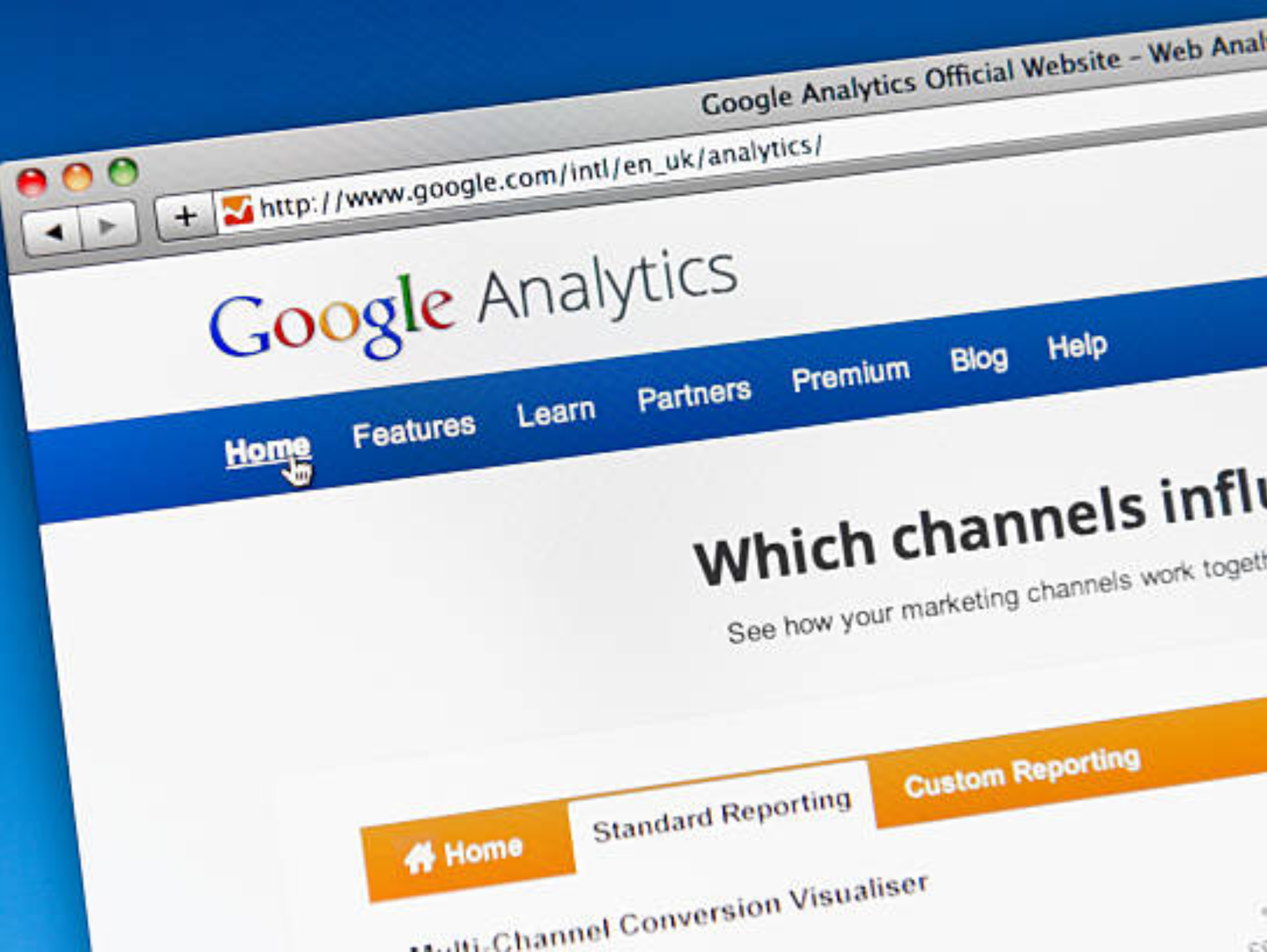
Google Analytics is a free web analytics service offered by Google that tracks and reports website traffic. It is used to understand how users interact with a website, such as how many people visit the site, where they come from, and what pages they view.

Google Analytics allows businesses to track a wide range of metrics, such as:

  • Number of visitors: How many people visit the site, and how often they return.
  • Traffic sources: Where visitors come from, including search engines, social media, and referral sites.
  • Audience demographics: Information about the age, gender, location, and interests of visitors.
  • Behaviour: What pages visitors view, how long they stay on the site, and what actions they take, such as filling out a form or making a purchase.
  • Conversions: How many visitors complete a specific action, such as signing up for a newsletter or making a purchase?


Google Analytics can also be integrated with other tools such as AdWords, Search Console, and Tag Manager.

In addition, it provides businesses with insights that can help them to optimize their website and online marketing campaigns, such as identifying which pages have high bounce rates, where visitors are dropping off during the checkout process, or which campaigns are driving the most conversions.

Web analytics in general refers to the measurement, collection, analysis and reporting of data from a website in order to understand and optimize its usage and performances. Google Analytics is just one of the many web analytics tools available, and other examples include Adobe Analytics, Piwik, and Click.

Email Marketing

Email marketing

Email MarketingEmail Marketing

Email marketing is the practice of sending promotional messages, typically to a group of people, via email. It is used by businesses of all sizes as an effective way to reach and engage with their customers, and to promote their products or services.

The main types of email marketing include:

  • Newsletters: Regularly sent emails that contain company news, special offers, and other promotional information.

  • Transactional emails: Automated emails sent to customers after they perform a specific action, such as making a purchase or signing up for a service.

  • Targeted campaigns: Customized emails sent to specific segments of a mailing list, based on characteristics such as purchase history or browsing behaviour.

  • Drip campaigns: A series of automated emails sent to a lead or a customer over a period of time. It can be used for on boarding, re-engagement, cross-selling, and upselling.

  • Email marketing allows businesses to track the success of their campaigns through metrics such as open rates, click-through rates, and conversion rates. It also allows businesses to personalize their messages and target specific segments of their audience.

Email marketing automation

Email marketing automation refers to the process of using software to automate the sending of emails to a group of people. It allows businesses to create, schedule and send automated email campaigns based on specific triggers or events.

With email marketing automation, businesses can set up a series of automated emails that are triggered by certain actions or events, such as:

  • Subscribing to a mailing listemail Marketing 01

  • Abandoning a shopping cart

  • Making a purchase

  • Reaching a certain milestone (e.g. birthday or anniversary)

  • Not opening or clicking on previous emails

It enables businesses to create more personalized, timely, and relevant communications with their customers, without the need for manual intervention. This can help to improve customer engagement and increase conversion rates.

Some examples of email marketing automation include:

  • Welcome email series for new subscribers

  • Abandoned cart email series for potential customers

  • Re-engagement campaign for inactive subscribers

  • Post-purchase follow-up emails for customers

  • Birthday or anniversary emails for loyal customers

Email marketing automation can help businesses to save time, increase efficiency, and improve their ROI by automating repetitive tasks and providing more personalized and relevant communications.

Drip sequence in email marketing

A drip sequence, also known as a drip campaign, is a series of automated emails that are sent to a specific group of people over a period of time. Drip sequences are typically used to nurture leads, re-engage customers, or on board new users.

The main purpose of a drip sequence is to provide relevant and valuable information to the recipients over time, with the ultimate goal of converting them into paying customers. Drip sequences typically include a mix of educational content, case studies, testimonials, and promotional offers.

Drip sequences can be triggered by various events such as:

  • Subscribing to a mailing list

  • Downloading an e-book

  • Signing up for a free trial

  • Filling out a form

  • Making a purchase

Each email in the drip sequence is timed and tailored to the specific stage of the recipient’s journey. For example, the first email may introduce the company and its products, while later emails may provide more detailed information, such as case studies or testimonials.

Drip sequences are designed to be highly targeted and personalized, and they can be adjusted and optimized over time based on the recipient’s engagement and conversion rates.

Drip sequences can be a powerful tool for email marketing as they allow businesses to nurture leads, re-engage customers, and on board new users with relevant and valuable information over time, which in turn increases the chances of conversion.

Role of landing page in Email Marketing

A landing page is a standalone web page that is designed to convert visitors into leads or customers. It is typically used in email marketing as a way to direct recipients to a specific offer or product after clicking on a link in an email.

The main purpose of a landing page is to provide a clear and concise call to action (CTA) and to convert visitors into leads by collecting their contact information. A landing page typically includes a form to collect information such as name, email address, and phone number.

Landing pages are designed to be highly targeted and specific to the offer or product being promoted in the email. The design and copy of a landing page should be consistent with the email and the overall branding of the company.

Landing pages are an essential part of email marketing as they allow businesses to direct recipients to a specific offer or product, and to collect contact information from interested parties. By having a dedicated landing page for each campaign or offer, businesses can track the success of the campaign and optimize it for better conversion rates.

In addition, landing pages can also be used to A/B test different variations of the design, copy and call to actions, to find out what works best for the audience.

Broadcasting Email

Broadcasting email is the process of sending a one-time email to a large group of people, typically an entire mailing list. It is used to share important information, such as a new product launch, a sale, or a company update, with all subscribers at once.

Broadcasting emails can be sent manually or automated and they can be used for different purposes like:

  • Sharing a company update or news

  • Promoting a sale or special offer

  • Announcing a new product or service

  • Sending out a newsletter or a report

The main difference between a broadcasting email and an automated drip sequence is that the latter is a series of pre-scheduled emails that are sent out over a period of time, while a broadcasting email is a one-time message sent to the entire mailing list at once.

Broadcasting emails can be an effective way to share important information with a large group of people quickly and easily. However, it’s important to keep in mind that broadcasting emails can be less targeted and personalized than automated drip sequences, and they may have lower open and click-through rates as a result.

To increase the chances of success, it’s important to use a clear subject line, a catchy headline, a personalized message and to segment your list if possible. Also, it’s important to be mindful of the frequency of your broadcasting emails, as too many emails can lead to unsubscribes or marked as spam.

Social Media Marketing

Social Media Marketing

Social Media Marketing

Social media marketing is the process of using social media platforms to promote a product, service, or brand, and to engage with a target audience. It involves creating and sharing content, building relationships, and running advertising campaigns to increase brand awareness, drive website traffic, and generate leads and sales.

Social media marketing can be used for a variety of purposes, such as building brand awareness, driving website traffic, generating leads and sales, and engaging with customers. It can also be used to build relationships with influencers and to run advertising campaigns to reach a larger audience.

Social media marketing can be done on various platforms like Facebook, Instagram, Twitter, LinkedIn, TikTok, YouTube, Pinterest and many more. Each platform serves a different purpose and has different features and capabilities. A company can use a combination of platforms to reach its target audience and achieve its marketing objectives.


Facebook

Facebook is a social media platform that allows users to connect with friends and family, share content, and join groups and communities. As a business, you can use Facebook to connect with potential customers, share information about your products and services, and engage with your audience.

Here are several ways to do social media marketing on Facebook:

  1. Create a business page: This will allow you to create a presence on the platform and share information about your business, products, and services.
  2. Use Facebook Ads: You can use Facebook’s advertising platform to target specific audiences and promote your business.
  3. Post regularly: Share updates, promotions, and other relevant content on your business page to keep your followers engaged.
  4. Engage with your audience: Respond to comments and messages, and actively engage with your followers to build relationships.
  5. Use Facebook Insights: Use Facebook’s analytics tool to track your page’s performance and gain insight into your audience’s behaviour.
  6. Collaborate with influencers or partners: You can collaborate with influencers or other businesses to expand your reach and gain new followers.
  7. Use Facebook Live or IGTV: Live streaming is becoming more and more popular, use it to showcase your business or to provide tips or tutorials in your industry.
  8. Use Facebook groups: Create or join groups related to your industry, and participate in discussions to build relationships with potential customers.


LinkedIn

LinkedIn is a professional networking platform that allows individuals and businesses to connect and engage with one another. As a business, you can use LinkedIn to:

  1. Build your brand: Create a company page to showcase your products and services, and share relevant content to establish your business as a thought leader in your industry.
  2. Connect with potential customers: Use LinkedIn’s search and targeting features to connect with potential customers and build relationships.
  3. Recruit top talent: Use LinkedIn to find and hire top talent in your industry.
  4. Share thought leadership content: Use LinkedIn’s publishing platform to share articles and insights on industry trends and best practices.
  5. Engage with your audience: Respond to comments and messages, and actively engage with your followers to build relationships.
  6. Use LinkedIn Ads: You can use LinkedIn’s advertising platform to target specific audiences and promote your business.
  7. Use LinkedIn groups: Join or create groups related to your industry, and participate in discussions to build relationships with potential customers.
  8. Use LinkedIn live: Live streaming is becoming more and more popular, use it to showcase your business or to provide tips or tutorials in your industry.


YouTube

YouTube is a video-sharing platform that allows users to upload, share, and view videos. As a business, you can use YouTube to:

  1. Build brand awareness: Create and upload videos that showcase your products and services, and share information about your company.
  2. Connect with your audience: Use YouTube to engage with your audience through comments and video responses.
  3. Increase website traffic: Include links to your website in video descriptions and annotations to drive traffic to your site.
  4. Use YouTube Ads: Use YouTube’s advertising platform to run video ads and reach a larger audience.
  5. Use YouTube Analytics: Use YouTube’s analytics tools to track your video’s performance, understand your audience, and optimize your content.
  6. Collaborate with influencers or partners: You can collaborate with influencers or other businesses to expand your reach and gain new followers.
  7. Create a channel: Create a channel to organize your videos and give your audience a central location to find your content.
  8. Optimize your videos for search: Optimize your video’s title, tags, and description to improve the visibility of your videos in YouTube’s search results.
  9. Use YouTube Live: Live streaming is becoming more and more popular, use it to showcase your business or to provide tips or tutorials in your industry.


Twitter

Twitter is a social media platform that allows users to post short messages (up to 280 characters) called tweets. It can be used for marketing by businesses in a variety of ways, such as:

  • Promoting products or services: Companies can use Twitter to share information about their products or services, and include links to their website for users to purchase.
  • Building a brand: Twitter can be used to build a brand by creating a consistent message and personality for a company.
  • Engaging with customers: Twitter allows companies to interact directly with customers, respond to their questions and complaints, and gather feedback.
  • Creating and sharing content: Companies can use Twitter to share relevant content, such as blog posts, infographics, and videos, to attract and engage their target audience.
  • Running promotions and contests: Companies can use Twitter to run promotions and contests to encourage engagement and build a following.
  • Keep an eye on competitors: Companies can use Twitter to monitor what their competitors are doing, and adjust their strategy accordingly.


Pinterest

Pinterest is a social media platform that allows users to save and organize images and videos (known as “pins”) into virtual boards. It can be used for marketing by businesses in a variety of ways, such as:

  • Showcasing products: Companies can use Pinterest to create boards and pins that showcase their products or services, and include links to their website for users to purchase.
  • Building brand awareness: Pinterest can be used to build brand awareness by creating a consistent message and aesthetic for a company.
  • Creating and sharing content: Companies can use Pinterest to share relevant content, such as infographics, how-to guides, and behind-the-scenes footage to attract and engage their target audience.
  • Running promotions and contests: Companies can use Pinterest to run promotions and contests to encourage engagement and build a following.
  • Targeting specific demographics: Pinterest allows companies to target specific demographics, such as age, gender, and location, by creating boards and pins that appeal to those groups.
  • Keep an eye on competitors: Companies can use Pinterest to monitor what their competitors are doing, and adjust their strategy accordingly.
  • Drive website traffic: Companies can use Pinterest to drive website traffic by including links to their website on their pins, boards, and profile.

The success of a social media marketing campaign depends on the quality of the content, the targeting of the audience, and the ability to measure and analyse the results. It’s important to have a clear understanding of your target audience and to create a strategy that aligns with your business goals.